
3GPP — the partnership of telecommunications companies working on global standards — is in the final stages of narrowing down the specifications needed to establish the 5G standard. The group recently came to a consensus on the 5G New Radio Non-Standalone specification essential for the adoption and rollout of the first 5G networks. But what is it?
Originally scheduled for March 2018, the release of Non-Standalone (NSA) 5G NR was accelerated following pressure from 3GPP members involved in network operation and hardware design to speed up the development, testing, and deployment process. This announcement isn’t the final product; the 5G Standalone part of the specification is expected to arrive later in 2018.
This begs the questions, what’s the difference between Standalone (SA) and Non-Standalone 5G? What differences will this make for user data connections in the short and long terms? Can a rollout based on the Non-Standalone specifications even be considered true 5G at all?
Standalone vs Non-Standalone
To differentiate between Standalone and Non-Standalone, we need to explore what they will offer.
Non-Standalone 5G still makes use of existing 4G LTE radio and backend technologies, and combines them with the New Radio technologies of 5G to provide faster connections to users. For brevity’s sake we’ll avoid the specific technical details, but you can read those here if you like.
Just know that 5G NSA and New Radio covers mostly hardware and encoding changes that will be required to reach the eventual capacity, latency, and data speed goals of 5G networks. It doesn’t include specifications for any backend, infrastructure changes, like how cloud servers are organized, which would enable new 5G use cases (More about that in a moment).
The specification enables support for higher frequency carrier bands, up to 6 GHz, and lays the foundation to support very high frequency mmWave bands above 24 GHz. This will enable carriers to increase their network capacity, resulting in higher speeds. 5G NSA also includes support for advanced carrier aggregation technologies that work across bands. This includes those operating in the Wi-Fi spectrum, such as LTE-U/LAA, LWA, LSA, CBRS, and MulteFire. This type of technology is already supported by the LTE-Advanced Pro specification.
5G NSA focuses on hardware improvements for lower latency, more efficient encoding, and new spectrum aggregation techniques. 5G SA will overhaul back-end technologies too.
Editor's Pick
 How is 5G actually going to work?
4G LTE is already providing millions of customers with super fast data, but with more and more carriers looking to flip the switch on even nippier 1 Gbps networks and phones boasting faster modems, it's …
Standalone 5G will feature full user and control plane capability using a next-gen core network architecture. In human-speak, it will reconfigure infrastructure for cloud data behind the scenes, as well as how data is parcelled up and sent over a network. In addition, Release 16 — scheduled for next year — and later will detail the technologies used for the larger-than-6 GHz mmWave spectrum.
The next-gen 5G core architecture will enable the construction optimized virtual networks running on a unified infrastructure, known as network slicing. In other words, those running services on 5G networks will have greater control over where critical server or storage elements are positioned in the network in relation to the end user. This is particularly important when placing emphasis on low latency for critical devices at the edge of the network (autonomous vehicles) or on the need for very high bandwidth to talk to data servers (streaming 4K video).
With 5G catering to a wider range of use cases with various bandwidth and latency requirements, a more flexible and modular approach to infrastructure is required. This includes support for device-to-device, mesh, and relay networking. The diagram below highlights how different virtual networking topologies could be implemented for different use cases, despite running on the same 5G infrastructure.
 Huawei
 5G SA will also deliver flexible subscription models and dynamic creation of services for new devices, including IoT and automotive technologies. Flexible subscription models could include one subscription for multiple devices, which may be more applicable to business-facing products. While data speeds will get a boost in the short term, major changes to the way mobile networks operate and the types of services they can support will have to wait.
The Non-Standalone specification will be fully forward-compatible with Standalone 5G, enabling networks to ramp up to a full switch. It won’t be until the 5G SA specification is finalized and compatible networks begin to roll out that many of the major shifts expected with the introduction of 5G — smart city IoT, autonomous vehicles, and the like — become a real possibility. The full Release 15 specification is anticipated around June 2018, and will enable standalone 5G deployment sometime in 2020.

Is Non-Standalone true 5G?
To summarize, Non-Standalone lays the groundwork for “proper” 5G but certainly doesn’t offer the full experience. It’s instead focused on expediting the hardware design, testing, and adoption necessary to support the final, full version of the specification. Consumers will see faster speeds and lower latency as these changes primarily apply to enhanced mobile broadband. But it won’t be until the arrival of the Standalone specification that major paradigm shifts in mobile networking — from mass machine communications to low latency autonomous vehicles — become a possibility.
Non-Standalone 5G will present faster networks for consumers, but won't yet enable next-generation use cases like mass IoT.
It’s important to note there’s not a single technology or component that will define 5G networks. It’s a combination of a number of different technologies, which together increase the available capacity, speed, and latency of mobile networks on which consumers rely. In that sense, the first 5G networks that carriers roll out based on this Non-Standalone specification are only part of the final picture. We will soon be dipping our toes into part of what 5G can offer, but the full experience will be coming down the line once the entire standard is finalized.
It will be important to remain skeptical when carriers claim to flick on their first 5G networks. The marketing opportunities and revenue at stake by being first cannot be understated, and the parties involved have already demonstrated a willingness to accelerate the roadmap to get ahead. While the advent of 5G is truly exciting, the press and wider industry must properly scrutinize carriers’ 5G claims once they come along, especially as the technologies and benefits become harder to parse. Suffice it to say: the full benefits of 5G are still a way off, despite what the carriers would like us to believe.
Don’t believe the carriers, the 5G revolution is still years away
 On this return episode of the Droid Life Show, we’re reacting to our first clean shots/press renders of the Galaxy S9 and Galaxy S9+. We also have a date where we’ll see them officially, so you’ll want to tune in, Samsung fans.
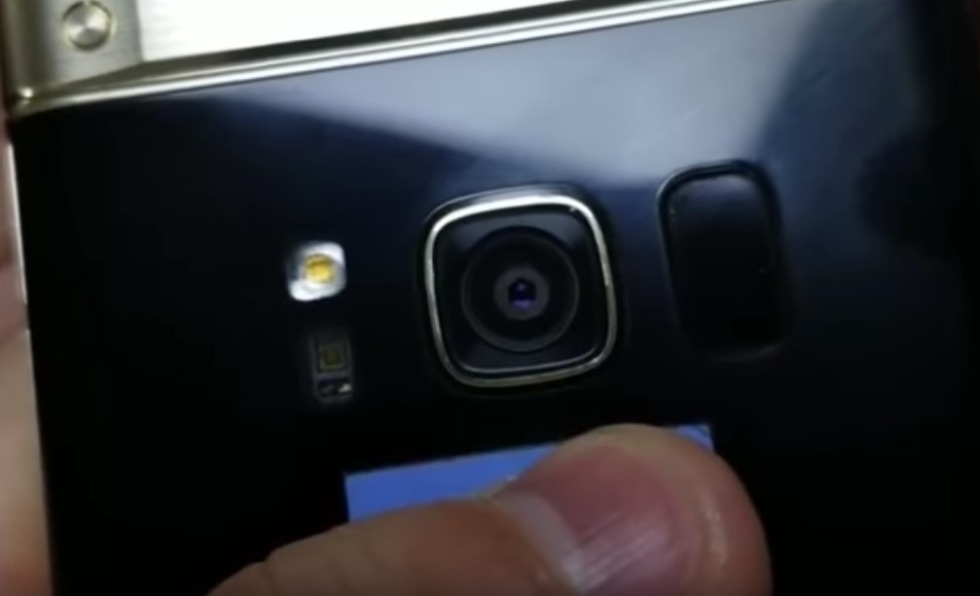 Samsung’s big teaser for the Galaxy S9 and Galaxy S9+ event on February 25 hints at one thing: a “reimagined” camera. Since we’re mostly expecting familiar designs with the new S9 line, it’s clear that Samsung is going to try and set itself apart by going all out in the camera department. Thanks to a purported leaked retail box for the S9, we think that may be through a “Super Speed Dual Pixel” 12MP camera with OIS and a variable aperture. That’s a significant change for smartphones, and something we haven’t really seen but one time before.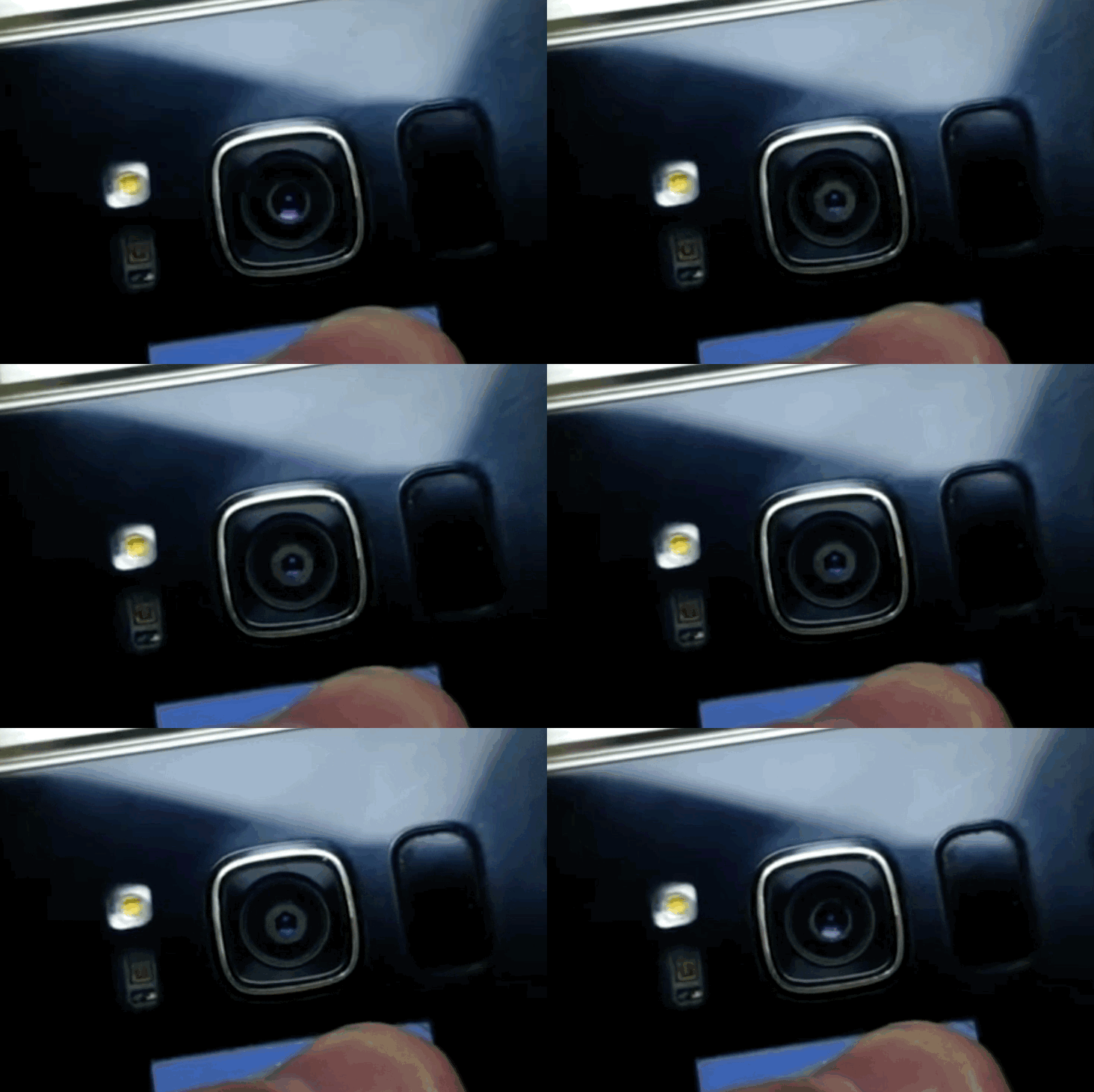

 For fans of leaks and unveiling date announcements, it was a solid week for you. Over the past few days, we learned Google will be hosting I/O on May 8-10 in Mountain View (Android P!), Samsung will unveil the Galaxy S9 and S9+ on February 25, and we even got a good look at the devices thanks to a new leak. Solid week, indeed.
 Android Police
 GlobalData
  CoinCentral
  10 best cryptocurrency apps for Android
 Banyan Hill
  AtoZ Forex
  Twitter
 Update (01/26): A new CAD render video from CouponRaja and @OnLeaks has given us a better look at what is believed to be the Moto E5. The device is depicted in a light gold color and corroborates a design language seen in a recent image leak (found in the original coverage below).
 Motorola in 2018: Bring on the wow factor

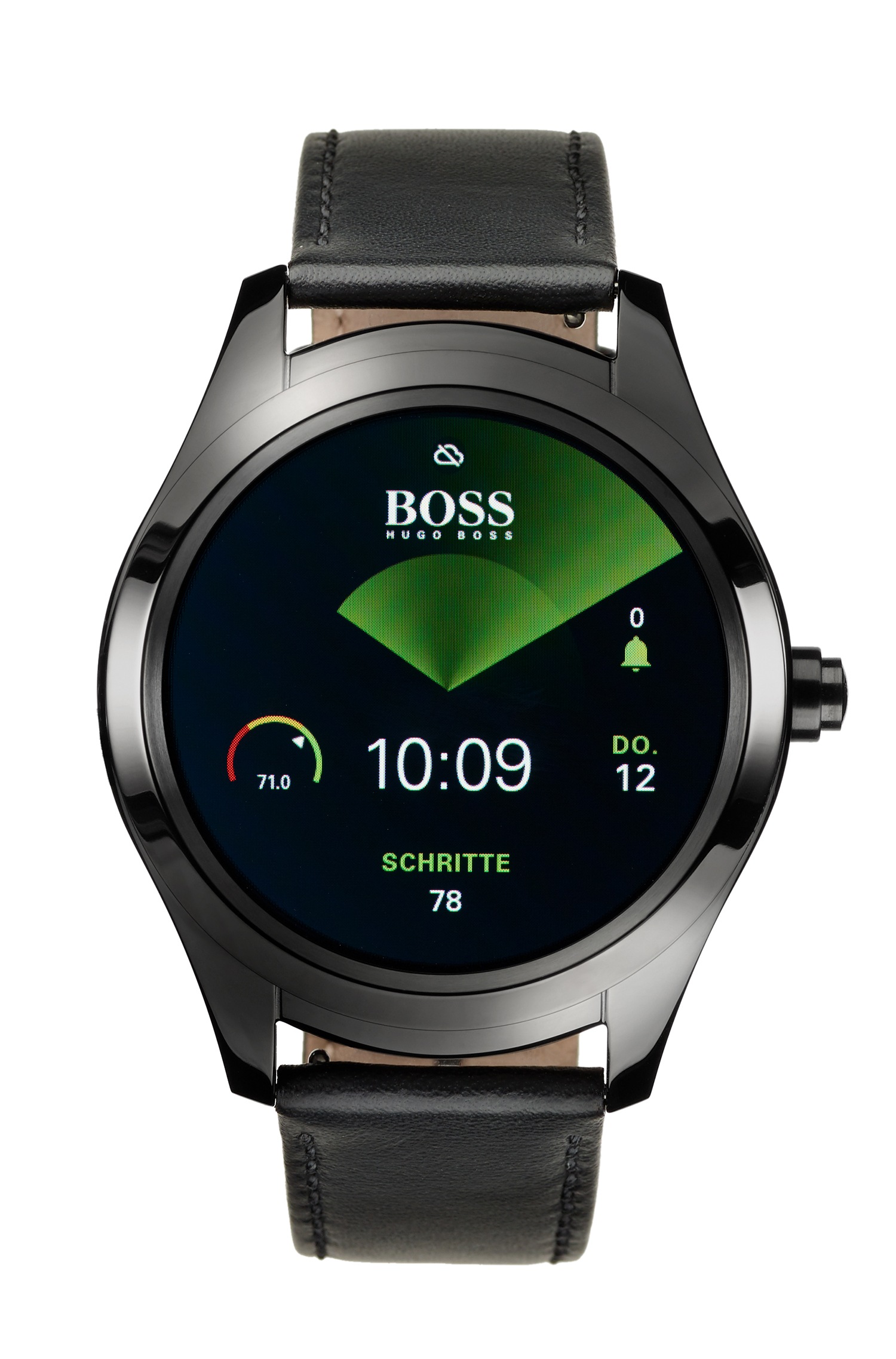 Your guide to fashion smartwatchesSmartwatches are a lot of fun and exceedingly useful, but they're hardly fashionable.


 15 best Android launcher apps of 2017
 The Android Wear team has detailed an upcoming change that all users should see in the next public release of the wearable OS. According to its post, users will see a new unread notification indicator, which should integrate into any watch face you use.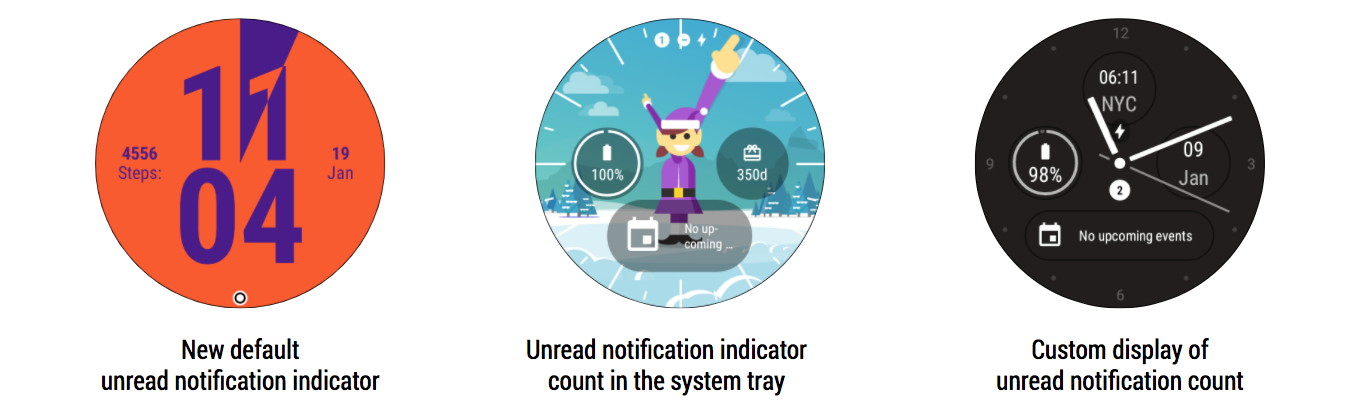
 Xiaomi
 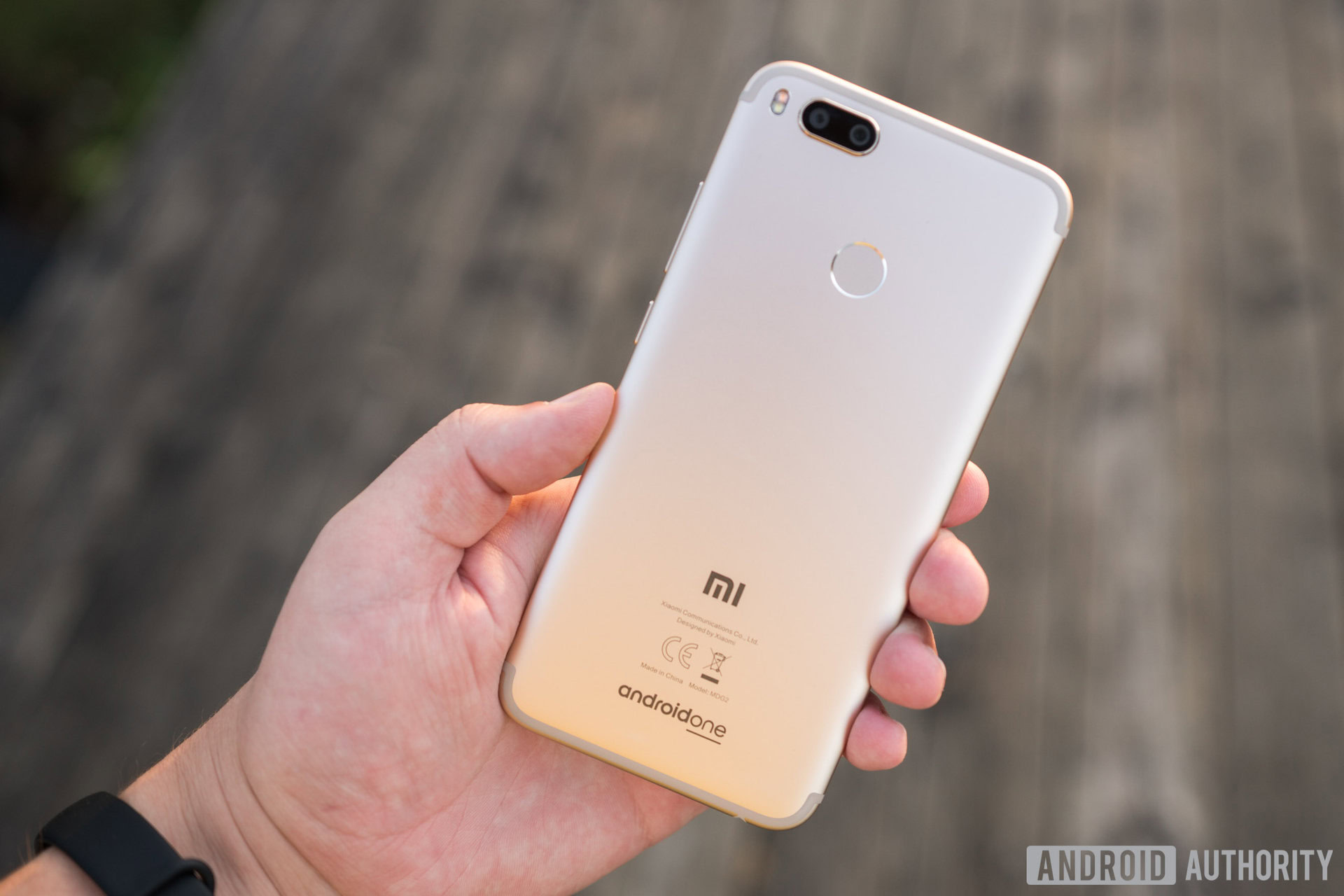 Xiaomi needs to adhere to the rules of Android
 OK Google, read my book: audiobooks are now available on the Play Store
 You can partially blame T-Mobile for the FCC’s changes regarding smaller ISPs
 Dell
Dell  Acer launches $349 Spin 11 hybrid Chromebook with Google Play support
 The PyeongChang 2018 Olympics kick of February 9 and run through February 25. If you are planning to travel to South Korea to take in any part of the winter games, there is a good chance your carrier has gifted you free access while there. In fact, Verizon, AT&T, and T-Mobile are all letting customers use their plans in Korea without charge, though T-Mobile’s is the easiest to get setup.
 Today in Hip Hop History:The Lox released their second album We Are The Streets January 25, 2000
  Today in Hip Hop History:Ghostface Killah released his second album Supreme Clientele January 25, 2000
 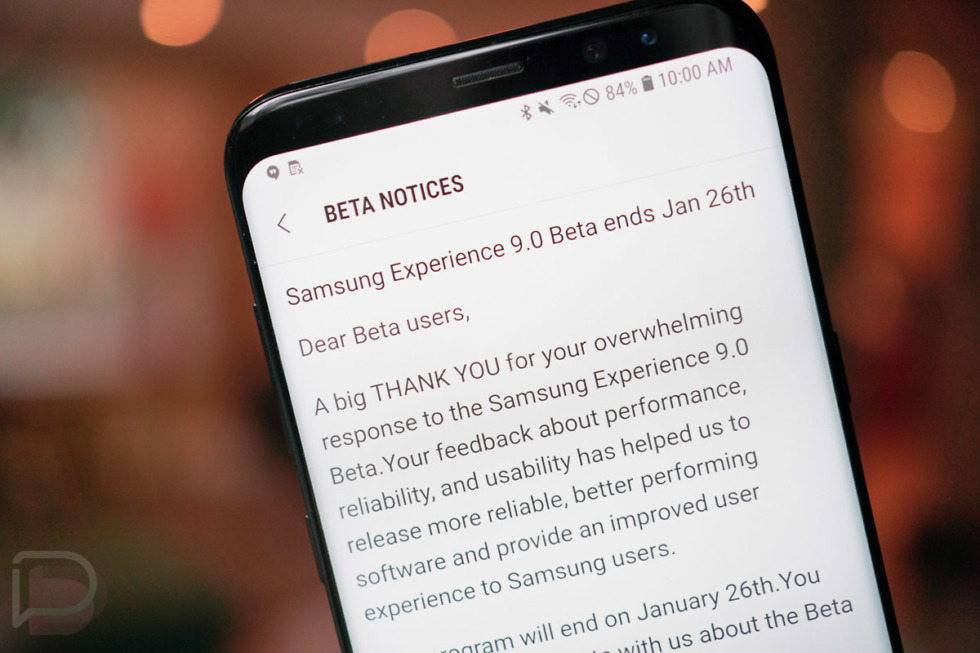 If you have been testing Android Oreo in the Samsung Beta Program with your Galaxy S8 or Galaxy S8+, your time is almost up. Samsung started notifying users that the Oreo beta for the S8 and S8+ ends on January 26 in the US. That’s tomorrow, guys.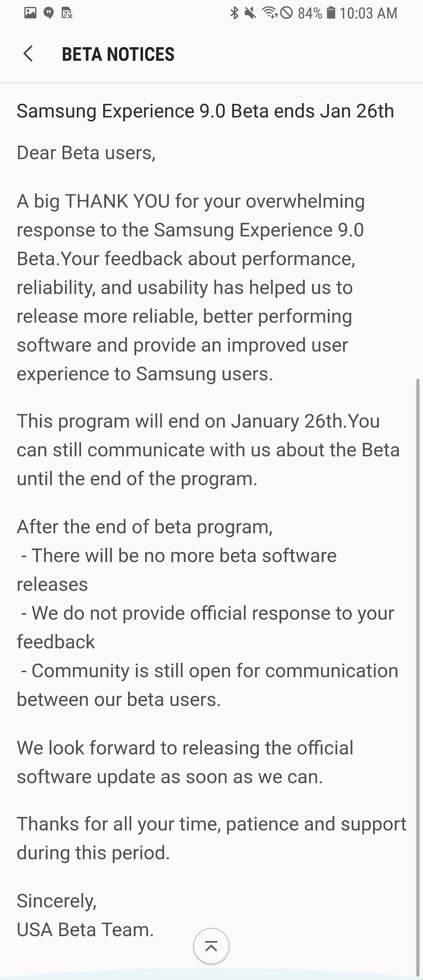
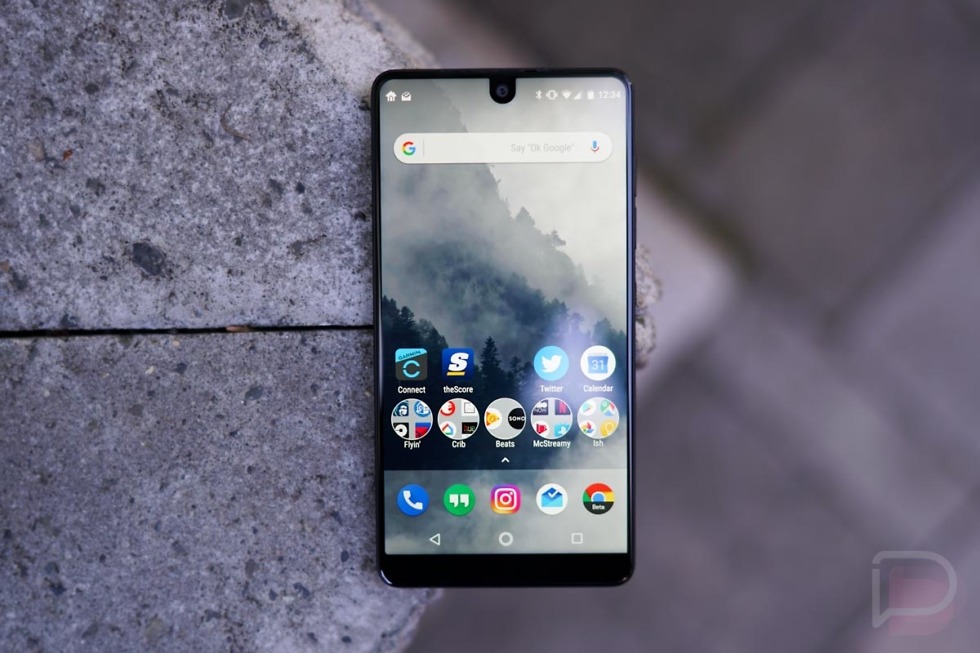 The Essential Phone is down to just $434.99 today at Amazon, a solid $65 drop in price from its normal $500 spot. This isn’t the first price drop for Andy Rubin’s first phone from his young company, but it is the lowest price we’ve seen since that ridiculous Black Friday bundle.
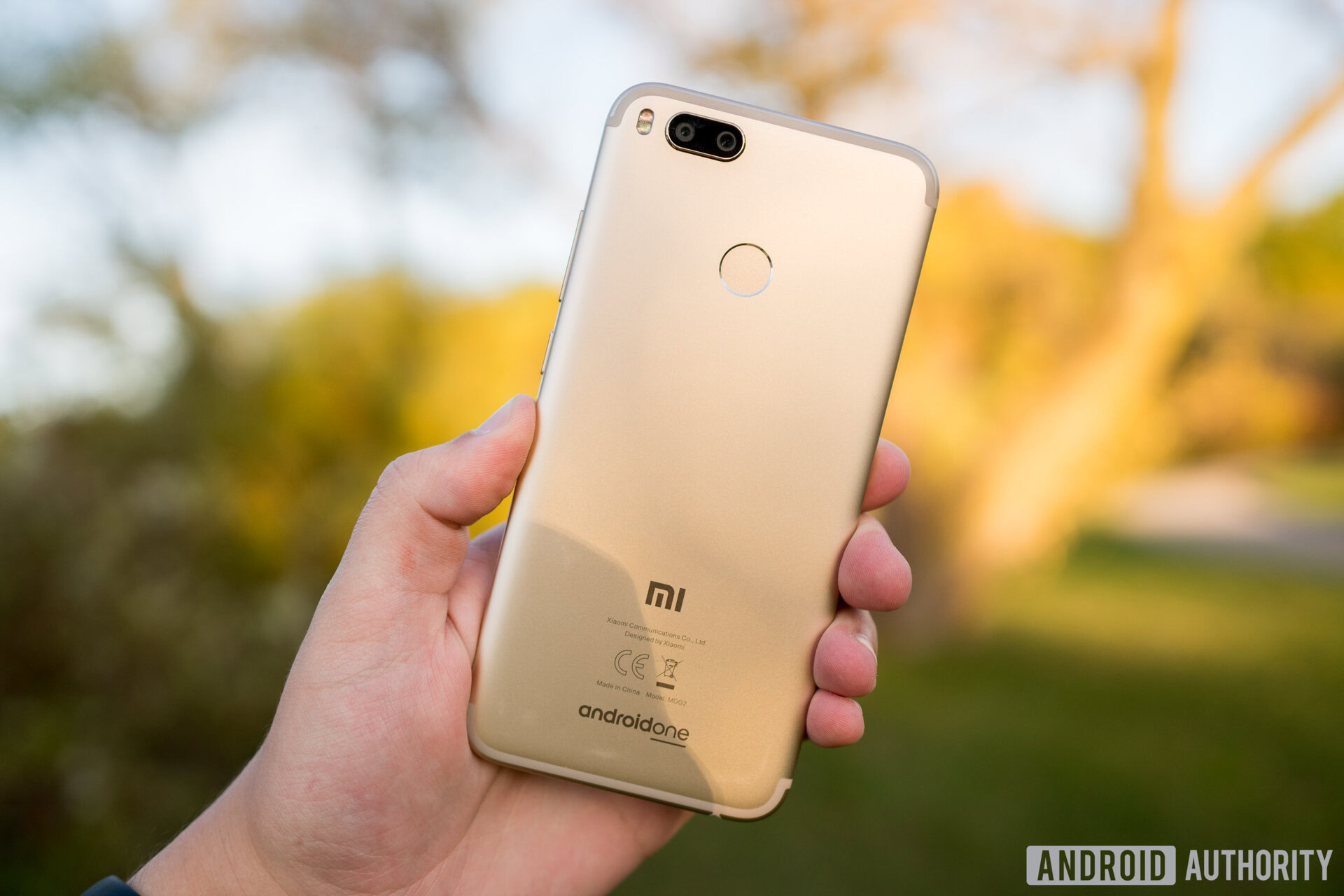 Xiaomi Mi A1 review: the perfect budget phone?
 2017 was the year Google normalized machine learning2017 was a hell of a year for a multitude of reasons. In tech, this was officially the year we saw artificial intelligence engines leading consumer product lines. Most notable was the role AI played …
 TED
TED 